
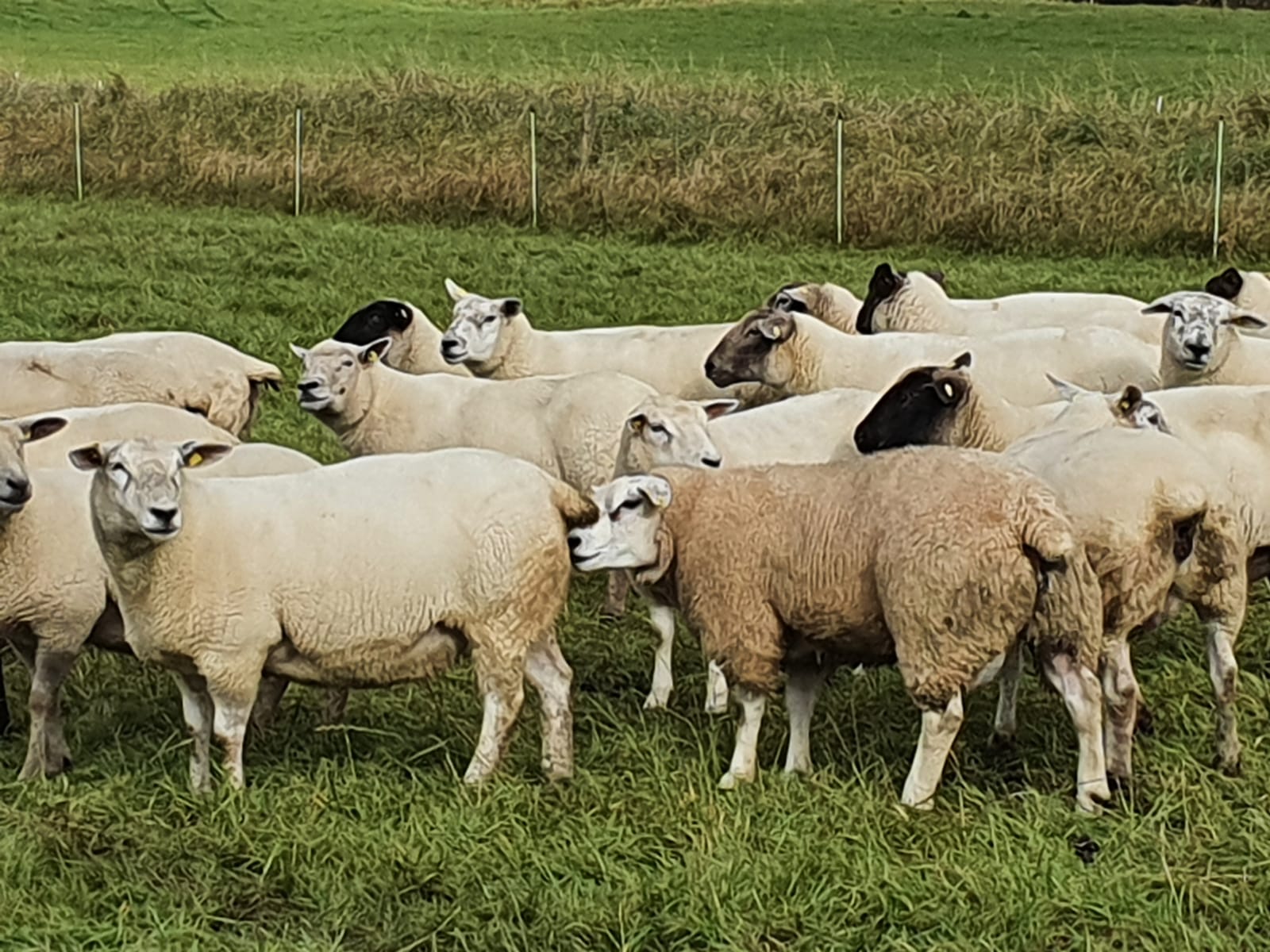
With ram sales season underway, buyers are reminded to carefully manage newly purchased rams during the first few weeks after purchase to minimise potential issues.
A change of environment and feed has the potential to cause upset for any animal, especially for young animals. As a result, management of newly purchased rams needs to be optimal.
Ideally rams should be purchased well in advance of the beginning of mating, in order to acclimatise and quarantine at his new farm.
Ram feeding
In the run-up sales, rams are generally on a high plain of nutrition, and purchasers need to be aware of this. Purchasers should continue to feed these rams with some level of concentrate feed for a period of time, gradually reducing this as the animal adjusts to an all-grass diet.
Any buyer wishing to talk to the breeder of the ram about the animals management pre-sale, can find all contact details in our Guide and Directory of Breeders and on our Ramsearch.
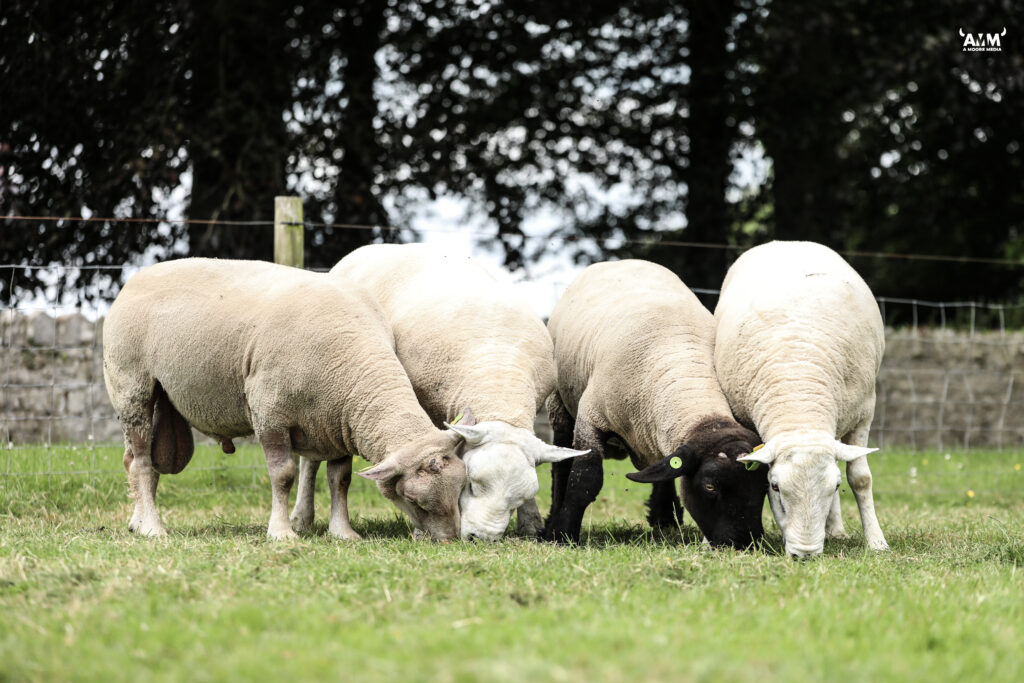
The workload for newly purchased rams
Newly purchased rams (especially ram lambs) should ideally not be released with ewes immediately after purchase.
If this cannot be avoided, ram lambs should not be expected to compete with mature rams at mating as it may result in fighting and injury. If possible, run new rams with a small group of ewes.
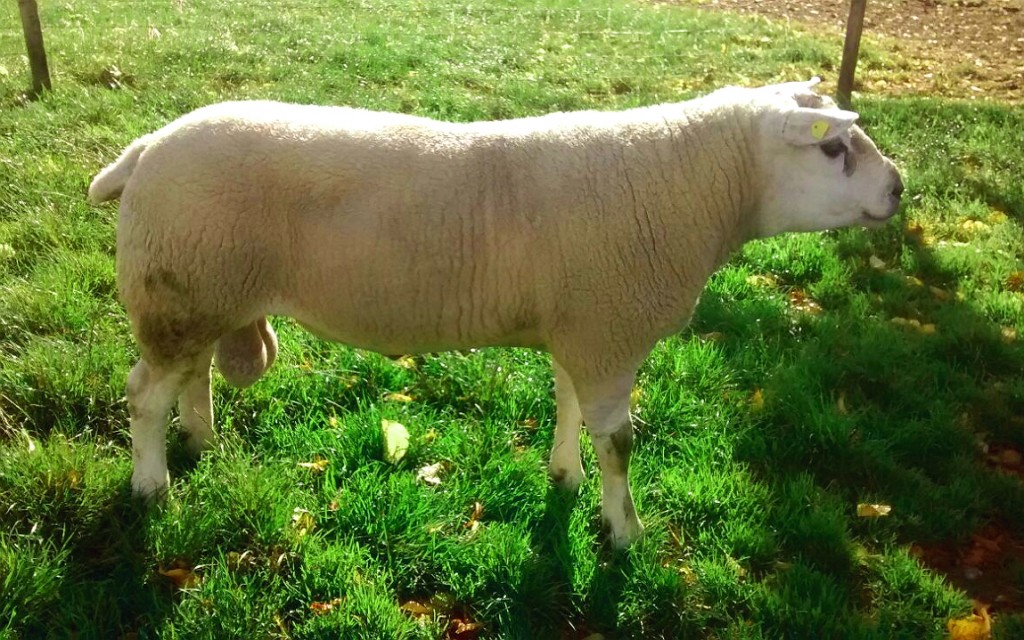
Ram lambs: max 25 ewes. Hoggets: up to 40.
Avoid mixing ram lambs with mature rams.
Assess existing rams early to avoid inbreeding and ensure readiness
Detecting ram performance issues
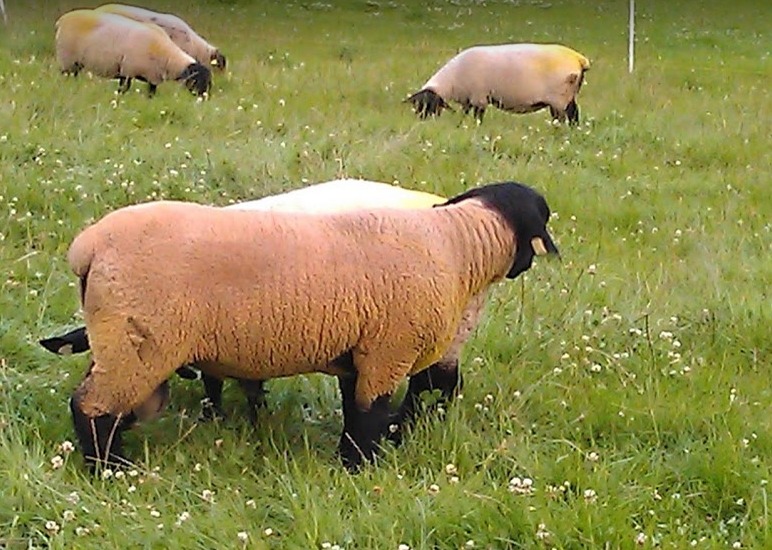
- Raddling the chest of the ram is advised. Using a crayon harness or raddle paste is the best way to do this.
- Use a light colour first (yellow). This colour should be changed after the first cycle to a darker colour. Using raddle will indicate if a ram is mating ewes.
- The colour change will identify if a large number of ewes are repeating, thus highlighting a ram performance issue.
- Observe the ram mating a ewe.
- Ensure he is doing this job correctly and not just mounting the ewe.
- If he is not successfully mating the ewe, it indicates an issue.
- Where new ram lambs are required to run with ewes soon after purchase, it is good advice to supplement the ram in some way (this will not always be practical). Bucket feeding a small amount of palatable concentrate in the field should be possible for most newly purchased ram lambs.
- This will also make the reapplication of raddle paste to the rams chest easier, without the need to unnecessarily disrupt the ewes.
Raddle rams to monitor fertility; change color every 7–14 days.
Body temperature rise as a result of infection will affect fertility.
Best advice for protection against health issues
We encourage farmers to visit the Teagasc sheep website (https://www.teagasc.ie/animals/sheep/) to view useful information on managing new farm purchases.