
How can full siblings have different star ratings?
A question which is often asked as the lambing season has come to an end, as more and more new information is flowing into the genomic evaluations, is how can full siblings have different star ratings?
Think about any pair of full siblings you know. Do they look and sound the same or have the same talents? The answer is usually no. For example, one sibling could excel at sports while another doesn’t, or one sibling could be much taller than the other, even if they grow up in the same environment.
This is because, although they have the same parents, they have not inherited the exact same set of genes. The exact same applies to lambs.
How can genotyping help us identify these differences?
Every lamb inherits 50% of their genes from either parent, but not the same 50%. Think of a parent’s genes like a deck of cards.
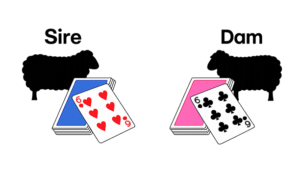
The cards are shuffled and a random half of the deck from each parent is dealt to the lamb.
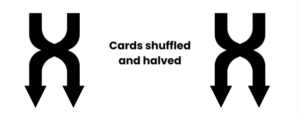
Each lamb gets a different shuffle from each of the parents, so their hand of cards is different, no two full siblings are the same. Siblings are still related, sharing around 50% of their genes, as their cards are dealt from the same decks.
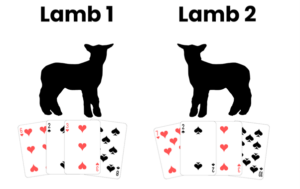
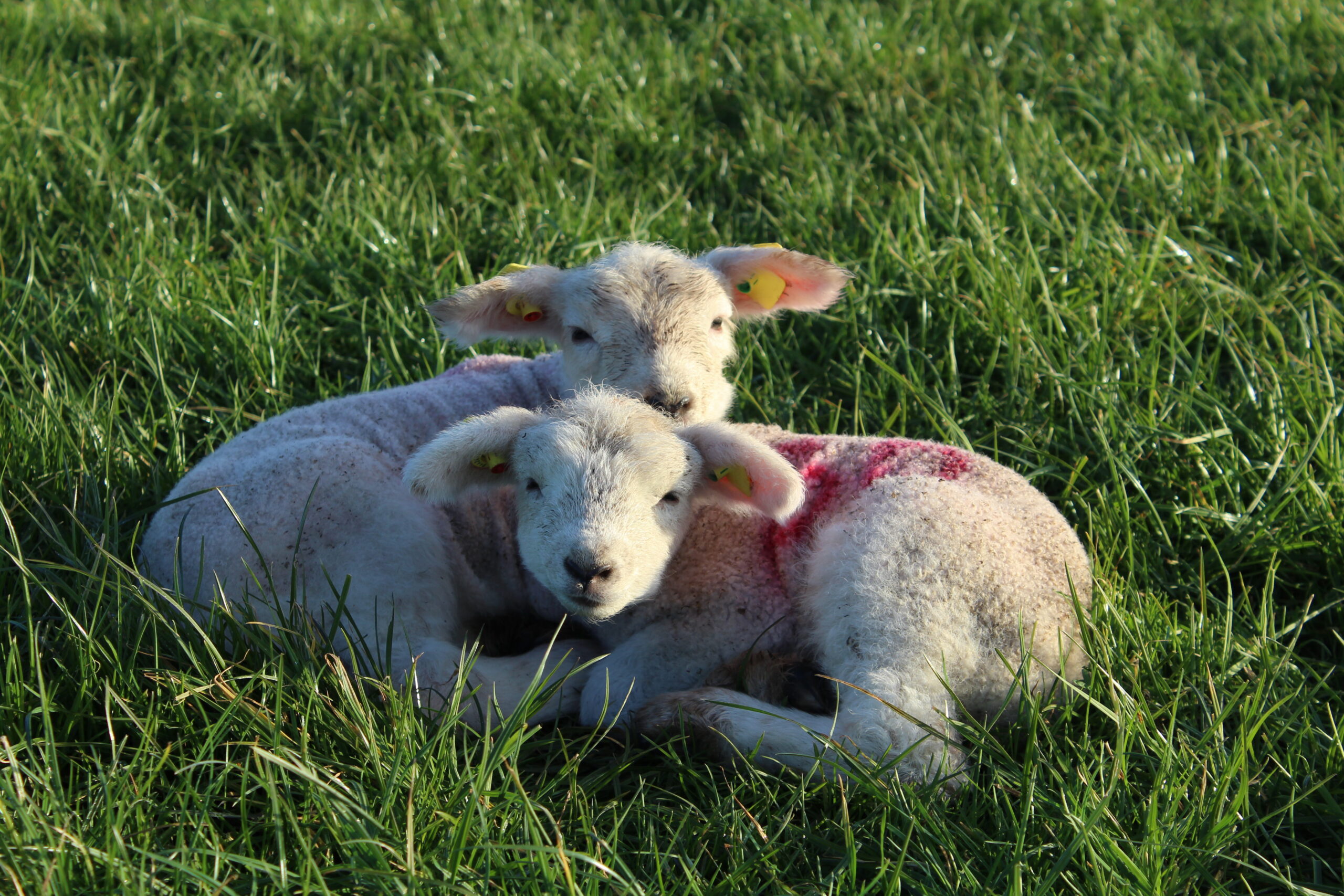
Most twin, triplet and quad lambs are full siblings, identical lambs are extremely rare.
Lambs €urostars before genotyping are an average of their parent’s values as well as their own performance data such as weight records. Genotyping allows us to see which genes each lamb actually inherited. Once this information is included, a lamb’s index figures will often change and can differ considerably from their siblings.
To take a real-life example from one of our CPT flocks, have a look at the sales cards below of two twin ewe lambs who have the same sire and dam:
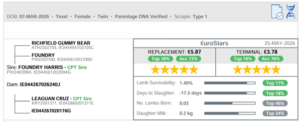
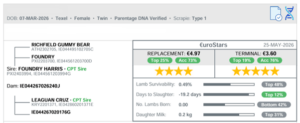
While these lambs are from the same sire and dam, their performance data and genotypes are feeding into their genomic evaluation. Due to this, their rankings on the indexes differ since they have not inherited the exact same genes from their parents.
So, to summarise why full siblings can have different star ratings. Full siblings do not inherit the same genes. This is due to the random “shuffling” of genes during reproduction, meaning each lamb gets a different combination of parental DNA. As a result, siblings can have different genetic potential, even when they share the same parents.
Use genotyping early to identify the best animals more accurately. Genotyping reveals these real differences by replacing the parental average (estimate) with the animal’s actual genetic merit, leading to changes in star ratings.
Avoid selecting based on pedigree alone (parental average can be misleading) and combine genomics with performance data (weights, traits) for better decisions.
Be prepared for re-ranking after genotyping with improved accuracy.